EternaLight Combines a Rechargeable Bulb with Portable Emergency-Lighting Modes
The advertised A21 LED bulb is presented as a regular light, a rechargeable emergency
light and a portable lamp when used with its included E26 socket cap.
Commercial disclosure: This page promotes EternaLight and may generate
compensation for Uncosmos through enquiries or referrals. It is not independent
journalism or an independent laboratory test. Technical figures below are
advertiser-supplied specifications and should be checked against the label and
documentation of the exact unit offered.
One Bulb, Three Advertised Operating Modes
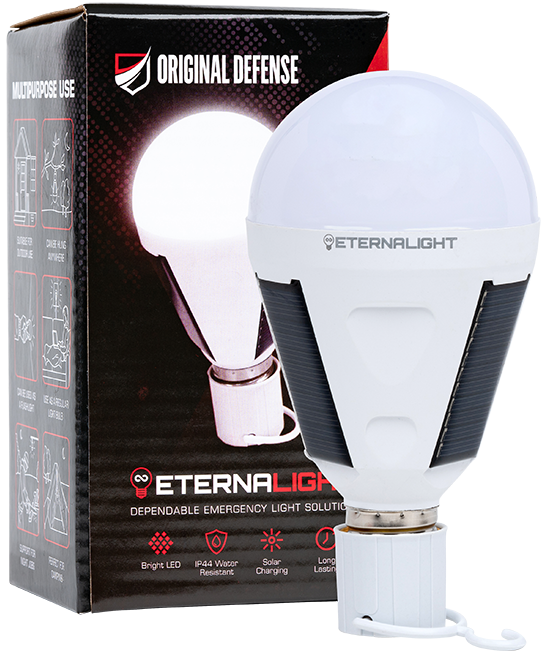
EternaLight is promoted as an LED bulb with an internal rechargeable battery. According to
the supplied product description, it can operate in three different ways.
Fixture mode
Used as a regular bulb in an electrically compatible light fitting, where the
internal battery is also charged.
Handheld or tabletop mode
The included E26 socket cap completes the circuit and provides a manual On/Off
control when the bulb is removed from a fixture.
Hanging-lantern mode
The supplied accessory hook is intended to allow the charged bulb to be suspended
for temporary portable lighting.
Solar-assisted charging
The seller states that the integrated solar panels can charge the battery when
placed in clear, direct sunlight.
The bulb should be used only through the documented operating methods and supplied
accessories. Do not touch, bridge or manually complete exposed electrical contacts.
Advertised Product Specification
The following information is based on the product description supplied for this campaign.
“Up to” figures are maximum advertised values and may vary with battery condition, charge
level, temperature, placement and mode of use.
Current advertised price
£7.43 for one bulb
Light output
Up to 500 lumens
Advertised battery runtime
Up to 6 hours after a full charge
Mains-fixture charging time
Approximately 4 hours in a compatible powered fixture
Solar charging time
Approximately 8 hours in clear, direct sunlight
Bulb format
A21 shape with E26 screw base
Package contents
One bulb, E26 socket cap and accessory hook
Confirm whether the displayed £7.43 price includes VAT and delivery before making a
purchase. Any delivery charge, optional add-on or package difference must be shown before
payment.
Important Compatibility Notice for UK Customers
The supplied specification identifies an A21 bulb with an E26 screw base.
Listings for this model also describe a 100–120V, 60Hz electrical rating.
Standard domestic electricity in the United Kingdom is 230V at 50Hz.
Do not connect a 100–120V-only EternaLight bulb to a standard UK 230V mains
lighting circuit. Before installation, check the electrical rating printed on
the exact bulb and packaging. Use it in a mains fixture only if the supplied unit is
explicitly marked for 220–240V, 50Hz and the fitting is compatible.
Check the voltage and frequency printed on the exact unit.
Confirm that the E26 base is compatible with the intended fixture.
Do not rely on an adaptor to correct an incompatible voltage rating.
Use the included socket cap only as described in the official instructions.
Do not touch exposed metal contacts to switch on or test the bulb.
Request the applicable CE or UKCA documentation and UK importer details.
“The familiar shape of a bulb does not confirm that its voltage, base or certification is
suitable for a particular UK fixture.”
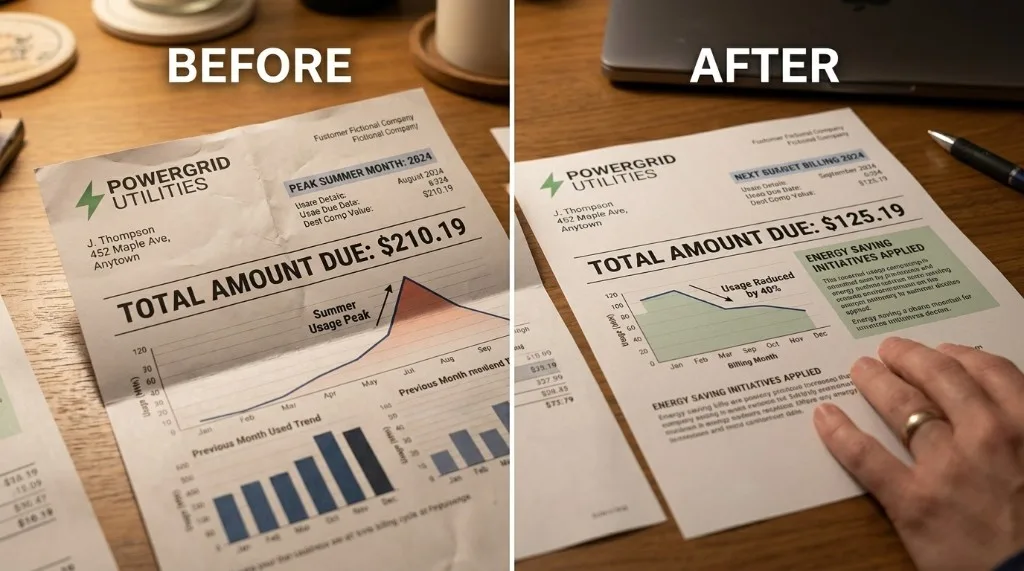
Energy Use: What the Page Can and Cannot Promise
LED bulbs generally require less electricity than comparable traditional incandescent
bulbs for a similar level of light. However, the statement that a customer will save
“up to 80%” depends on the lamp being replaced, wattage, usage time, electricity tariff and
charging method.
For that reason, this page does not promise a specific reduction in a household electricity
bill. Compare the rated wattage and measured light output of the exact products before
estimating any saving.
Before You Request or Buy
Four checks help make the product and commercial terms easier to understand.
1
Check the exact unit
Verify the label, model, voltage, base and package contents.
2
Review the full price
Confirm VAT, delivery and any optional charges.
3
Identify the seller
Check the legal seller, UK importer, warranty provider and return address.
Product Information
Review the Full Details Before Submitting an Enquiry
Continue to the product page to review the advertised specification, current unit price,
compatibility warning and enquiry terms.